
The Stefater-Richards Lab combines preclinical and human models of disease to understand mechanisms for highly-effective obesity and diabetes therapies, especially bariatric surgery. In particular, we are focused on gastrointestinal mechanisms for energy homeostasis. Our goal is to home in on biological pathways likely to be important therapeutic targets for obesity and related comorbidities including diabetes.
Our work in humans and rodents suggests that intestinal adaptation after Roux-en-Y gastric bypass surgery (RYGB) may mediate improvement in blood glucose control in patients. Changes in alimentary flow resulting from the surgery are important for eliciting this adaptation.

We combine basic and translational approaches using human, rodent, and organoid model systems to study mechanisms for bariatric surgery-associated intestinal adaptation and drug targets that might be useful for treating obesity and diabetes.

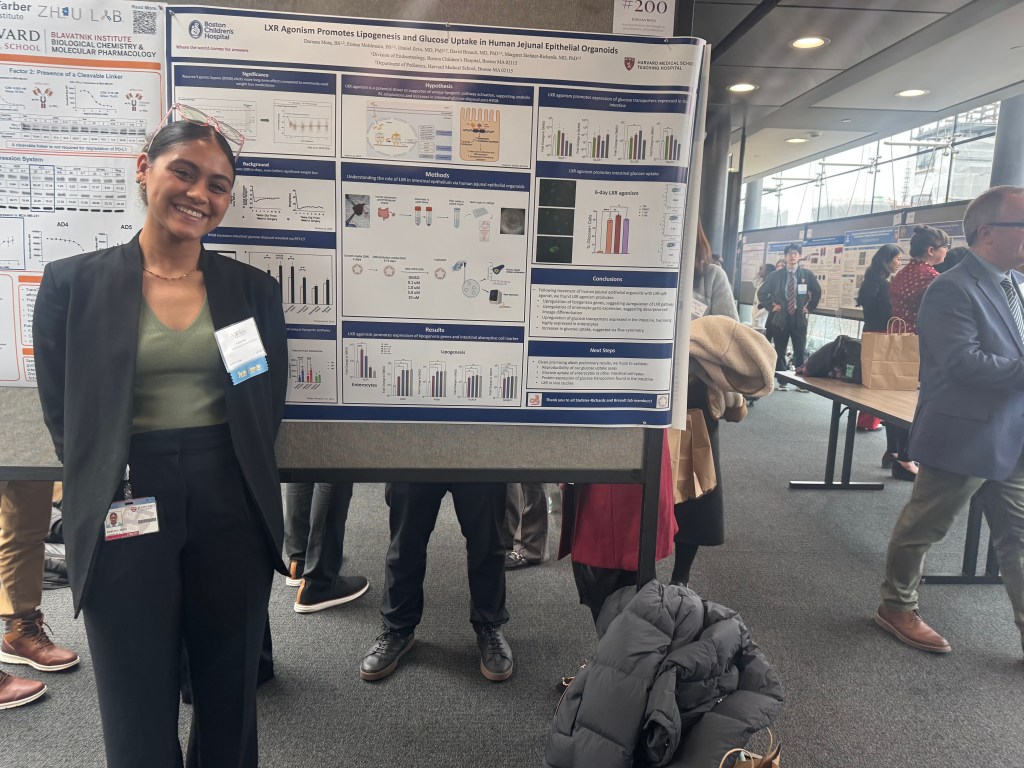
Dariana presenting her work on LXR at a conference at HMS
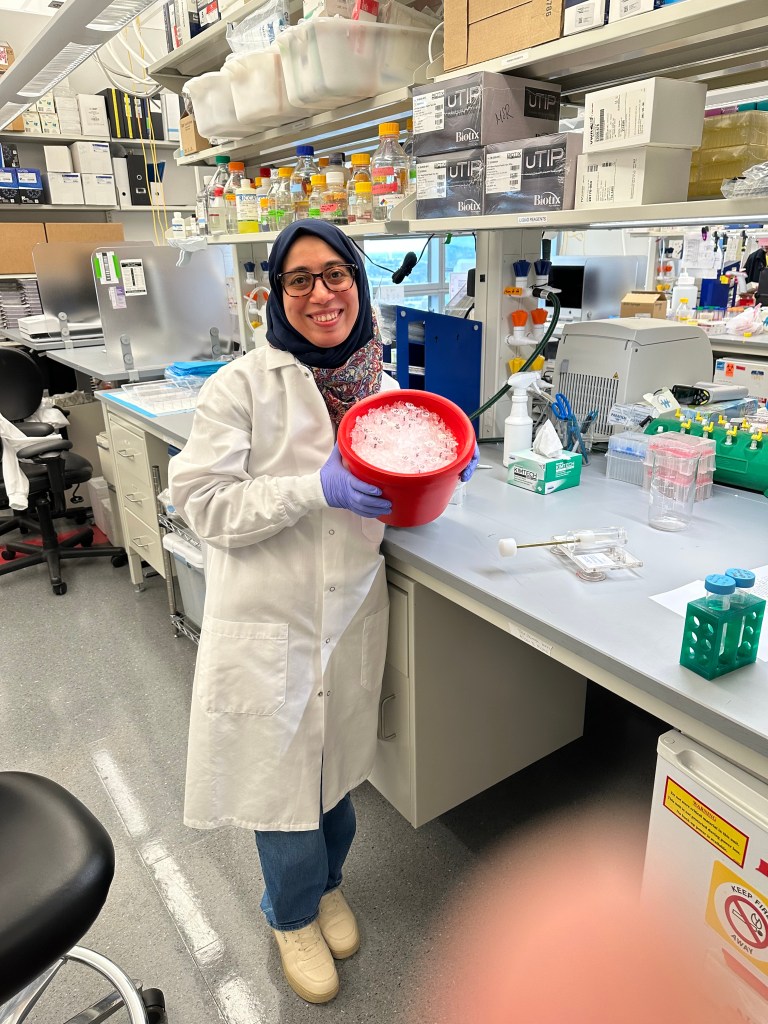
Shefaa working on an experiment in lab
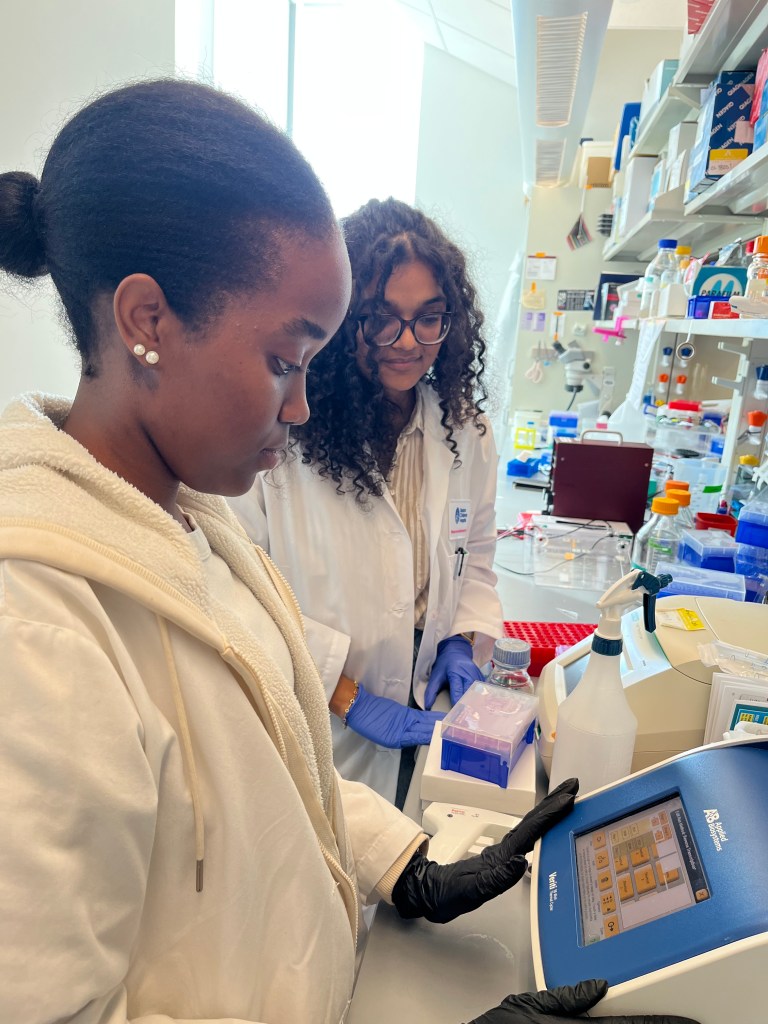
Undergraduate interns Amber and Vrushika working together at the bench


Amber, Vrushika and Shefaa enjoying a well-deserved ice cream break!
 Stefater-Richards Laboratory